


High-Altitude Gas-Insulated Switchgear: Design and Testing at 4,500-Meter Equivalent Pressure
2026-08-18
Share

At high altitude, the surrounding air becomes part of the electrical design challenge. As air density falls, equipment that depends on ambient air for insulation may require larger electrical clearances, an adjusted insulation design or a dedicated high-altitude configuration.
Daqo's DQS-40.5 ring main unit (RMU) and DQC-40.5 gas-insulated switchgear reduce this dependence by enclosing primary live components within sealed insulating compartments and using fully screened cable interfaces. Representative configurations have completed dedicated high-altitude type testing under atmospheric pressure conditions equivalent to an elevation of 4,500 meters.
High-Altitude Design at a Glance
Potential impact: Insulation failures can cause equipment damage, power interruption, and reliability risks.
Design response: Sealed gas-insulated compartments reduce the reliance of critical insulation on ambient air.
Test evidence: Daqo DQS-40.5 and DQC-40.5 platforms were validated through high-altitude type testing at a pressure equivalent to 4,500 meters.
Applications: Renewable energy, mining and industrial projects in high-altitude environments.
Why Lower Air Density Matters
In medium-voltage equipment, insulation systems maintain safe separation between energized components and help prevent electrical breakdown. Ambient air often forms part of this insulation system.
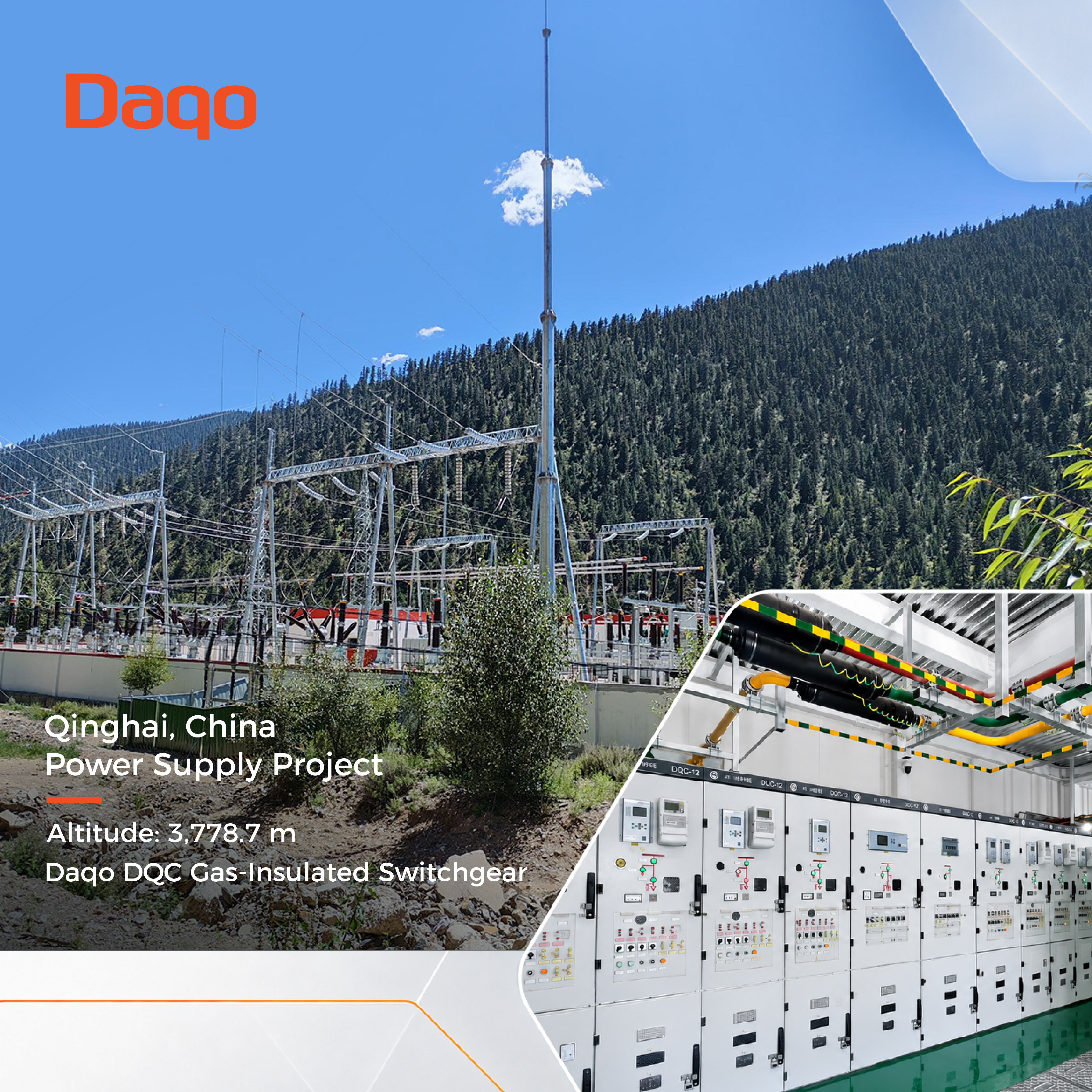
At higher elevations, the air is less dense and provides less electrical insulation. The electrical withstand of an exposed air gap therefore decreases, making discharge or flashover more likely.
An insulation fault can interrupt the power supply, damage equipment and reduce overall system reliability. High-altitude projects may therefore require larger electrical clearances, an adjusted insulation design or equipment specifically designed and tested for the installation altitude. For this reason, altitude should be considered from the beginning of equipment selection – not after the equipment layout has already been defined.
How Air-Insulated and Gas-Insulated Architectures Differ
Air-insulated and gas-insulated switchgear use different approaches to maintaining electrical insulation.
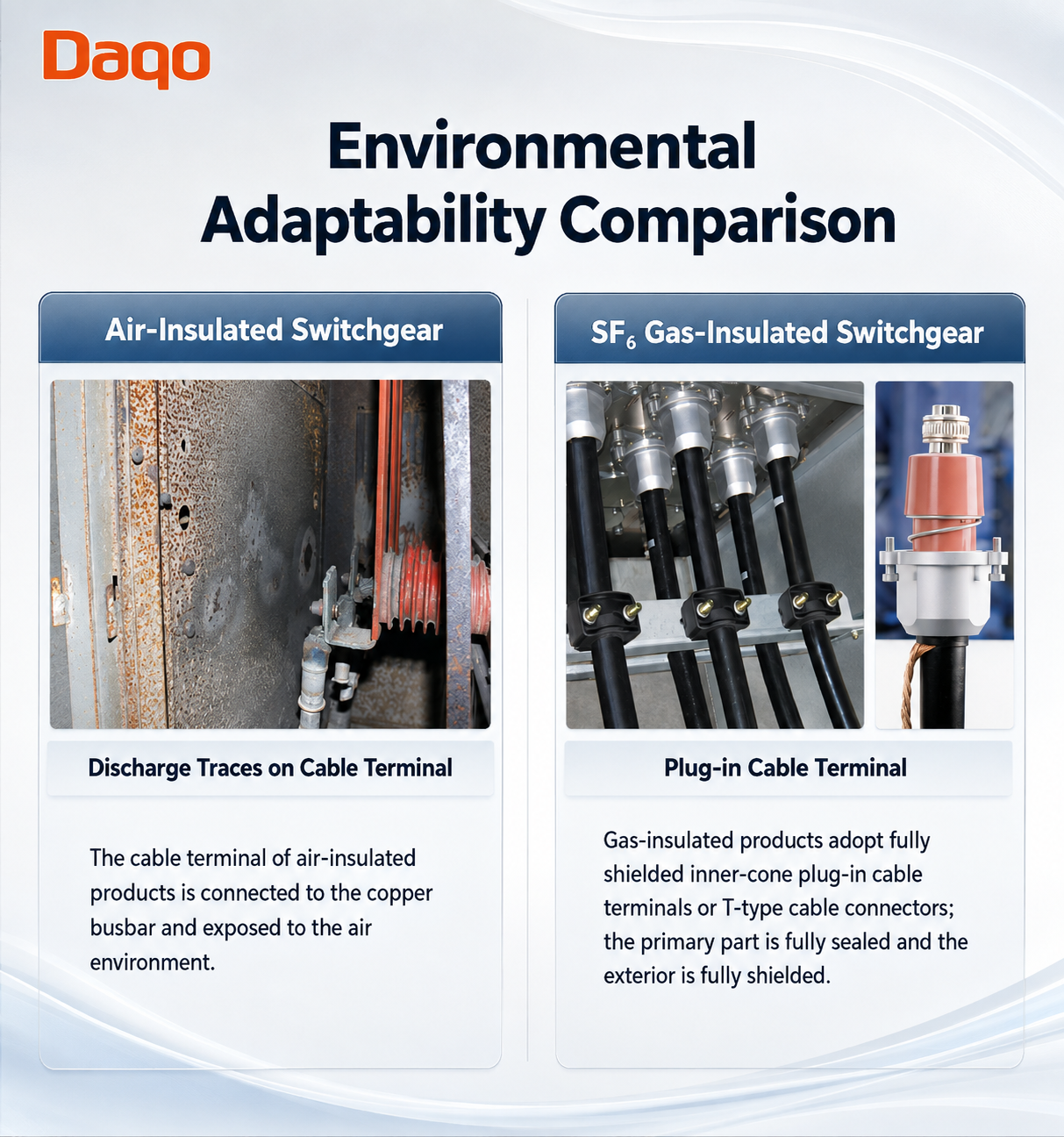
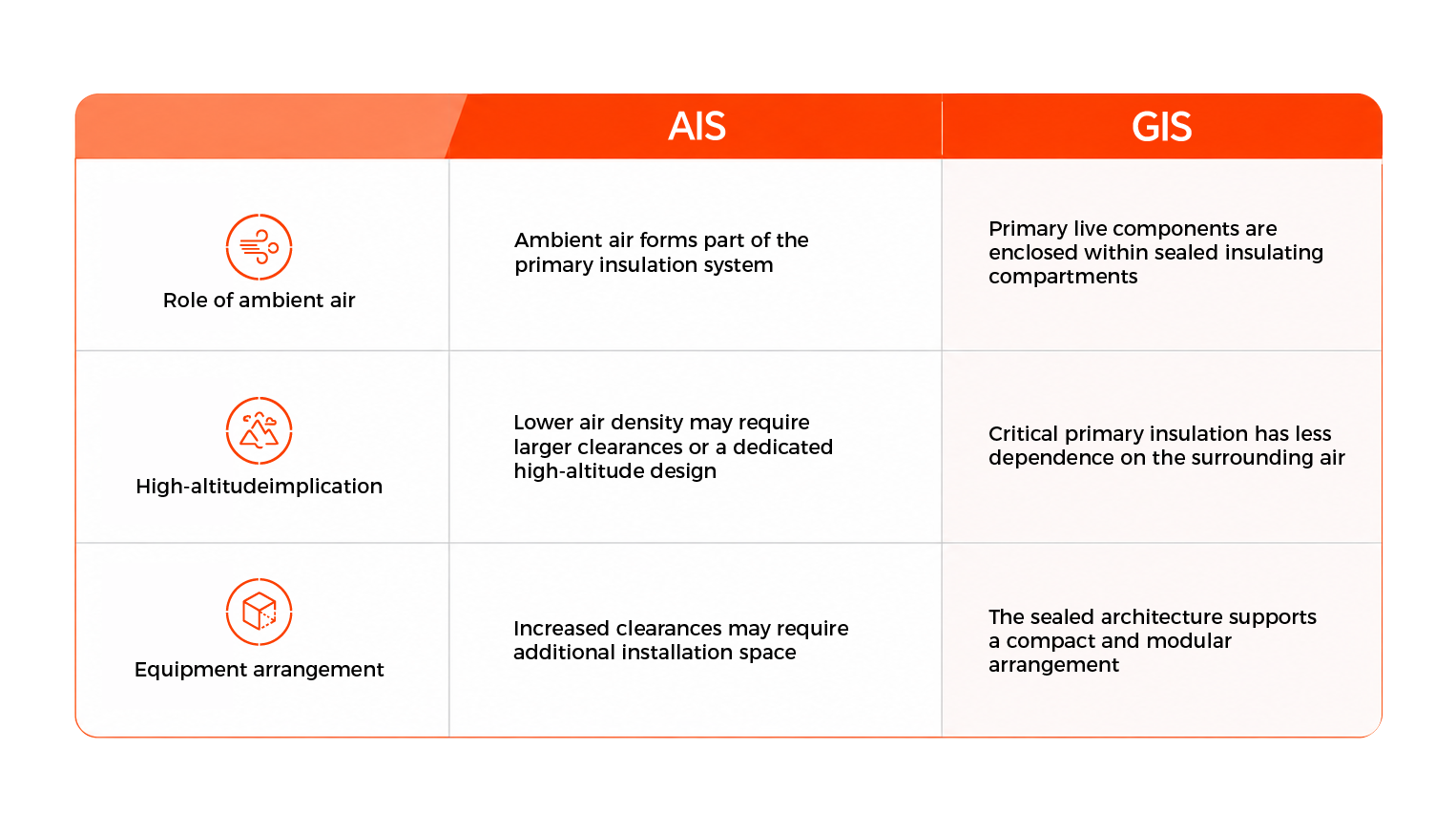 In Daqo's SF₆-insulated DQS-40.5 RMU and DQC-40.5 GIS, the primary live components are enclosed within sealed compartments. Fully screened inner-cone or T-type cable connectors integrate the cable termination into the insulated system, further reducing the number of primary insulation interfaces exposed to ambient air.
This architecture can be particularly useful where installation space is limited or where the larger air clearances required by an air-insulated design would be difficult to accommodate.
However, a sealed primary insulation system does not mean that installation altitude can be ignored. Final equipment selection should still consider the installation altitude, available space, required electrical clearances, system configuration and whether the proposed equipment configuration has been tested for the intended elevation.
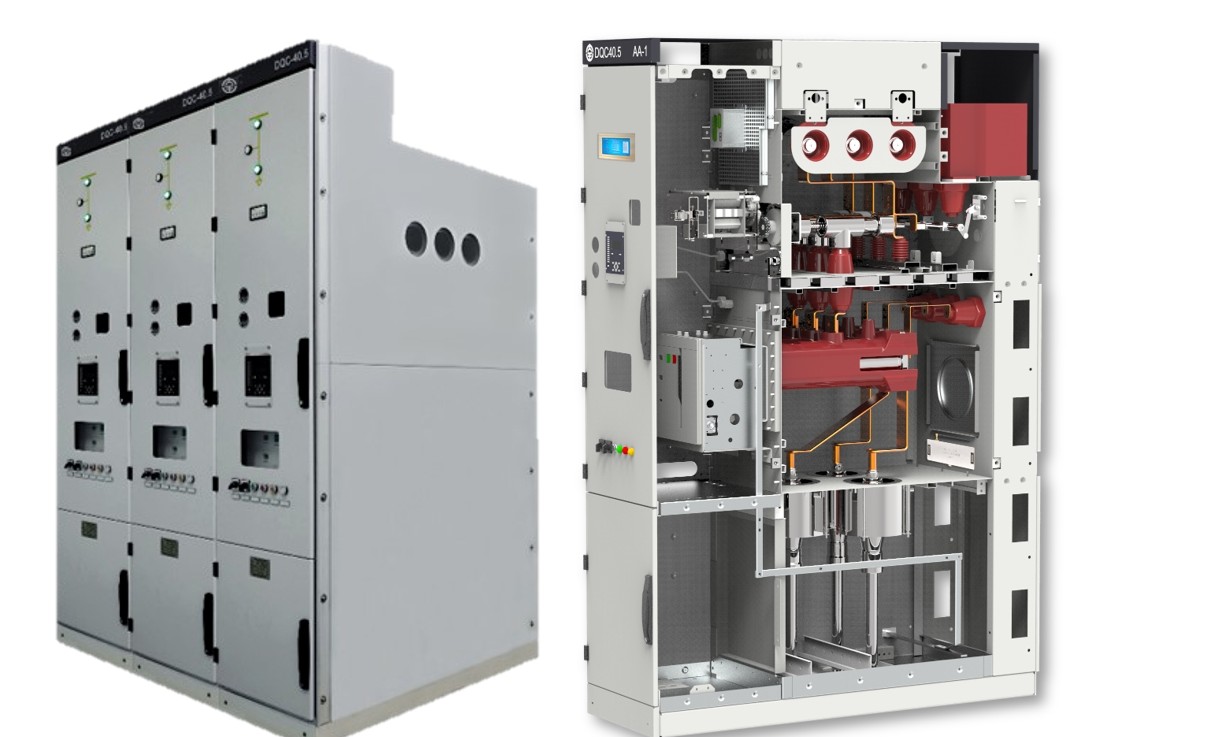
Daqo DQC-40.5 gas-insulated switchgear in assembled and cutaway views, illustrating its compact internal arrangement and sealed primary compartment.
Validated under 4,500-Meter Equivalent Pressure
Representative configurations of Daqo's DQS-40.5 RMU and DQC-40.5 GIS have completed dedicated high-altitude type testing. The tests were conducted under atmospheric pressure conditions equivalent to an elevation of 4,500 meters. By testing the complete equipment configuration under reduced air pressure, Daqo established a practical basis for project-specific equipment selection.
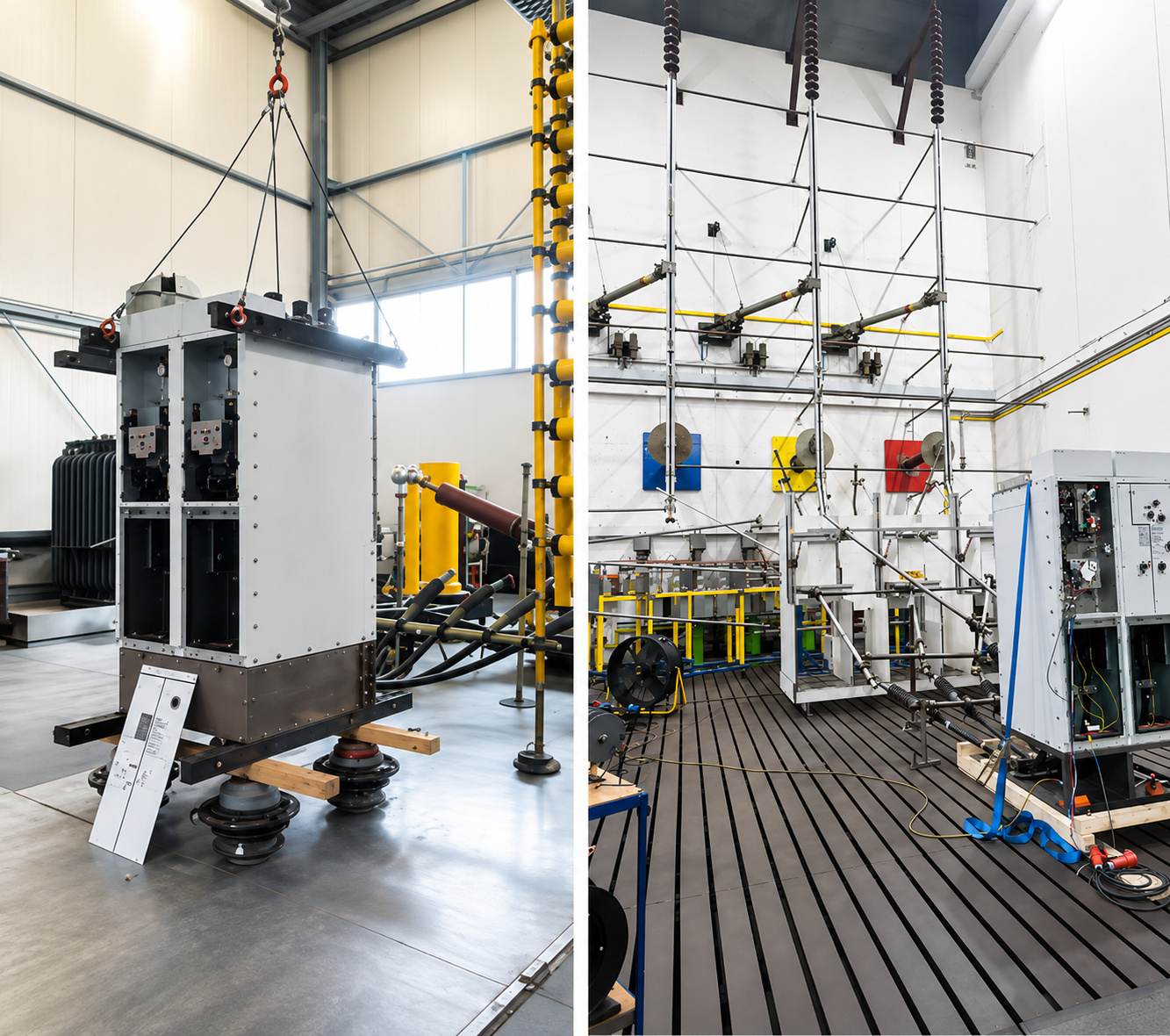
High-altitude type testing under simulated 4,500-meter atmospheric pressure conditions
A Practical Approach for High-Altitude Projects
Where high altitude and limited installation space make larger air clearances difficult to accommodate, gas-insulated switchgear offers a compact design with a more controlled insulation environment. By combining sealed primary compartments with fully screened cable interfaces, Daqo's DQS-40.5 and DQC-40.5 help reduce the influence of lower air density on critical insulation performance while supporting a compact substation layout.
This makes the platform a practical option for high-altitude renewable energy, mining and industrial projects, with each configuration tailored to the electrical and installation requirements of the site.
Related Recommendations


The company consistently maintains robust innovative vitality, standing at the forefront of the industry and driving its advancement. Through cutting-edge technologies and products, it achieves goals of energy conservation, environmental protection, quality enhancement, and consumption reduction, continuously contributing to the development of a resource-efficient and environmentally friendly society.


